This page has been idle for a while. To make sure you don't miss out on the latest content, please reload the page.Refresh
Refresh
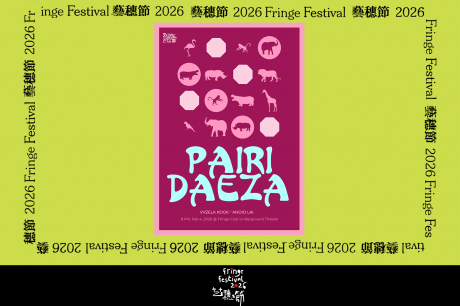
The word 'Paradise' originates from the ancient Avestan 'Pairi-daeza', meaning 'enclosed garden' or 'walled orchard', and implies 'heaven'. Its etymology is closely linked to the concept of walls and enclosures. Over time, the term evolved in Assyrian, Greek, and Hebrew cultures to refer to 'spacious walled gardens', 'zoos', and 'royal gardens'. The evolution of the word 'Paradise' highlights not only the physical characteristics of enclosed spaces but also the broader cultural implications of humanity's historical quest to control and dominate nature and animals. This phenomenon is also reflected in the process of globalization, where modernity is accompanied not just by the flow of goods and capital but also by the global transplantation of a 'biopolitics' blueprint aimed at disciplining life and managing spaces. This performance utilizes art and technology to explore how power inscribes order through the planning of spaces and the categorization of life, and how these inscribed orders have settled into the urban landscapes and cultural psyches that we take for granted today.